Pumps by working principles
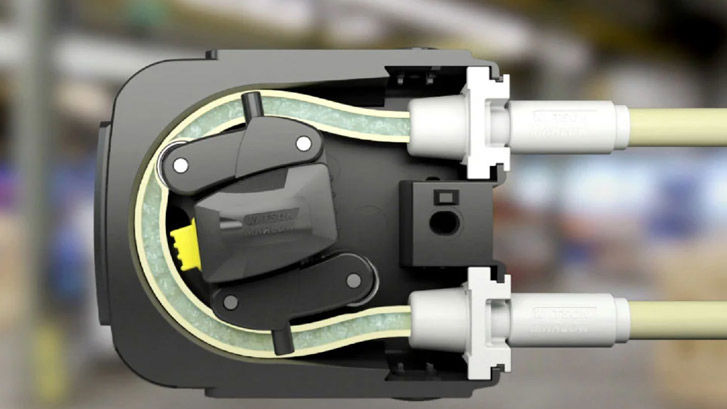
Peristaltic and sinusoidal pumps use the simplest possible pumping principles


Call+44 1326 370 370
Peristaltic and sinusoidal pumps use the simplest possible pumping principles
Peristaltic pumps have no valves, seals or glands, and the fluid contacts only the bore of the hose or tube. Simple to install, easy to use and quick to maintain, they are the world's fastest growing pump type.
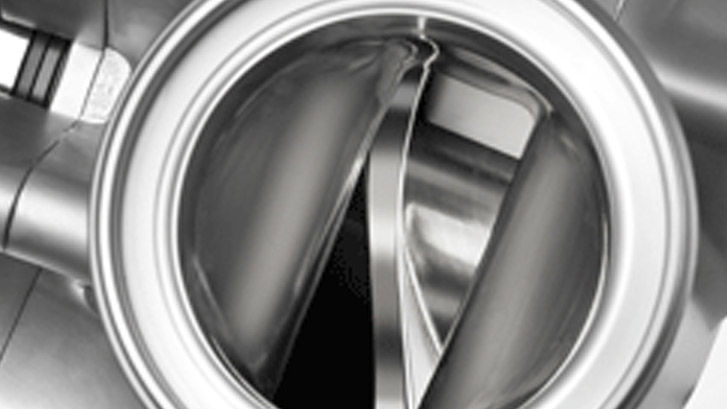
正弦泵使用单个正弦形转子,在旋转时产生四个均匀尺寸的腔室。腔室打开和靠近泵的液体,导致平滑流动,几乎没有脉动。
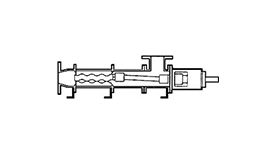
渐进腔泵cannot run dry, for more than a few seconds. They can self prime but if the fluid takes time to get to the pump then the rotor/stator must either be manually lubricated or the pump needs charging with duty fluid.
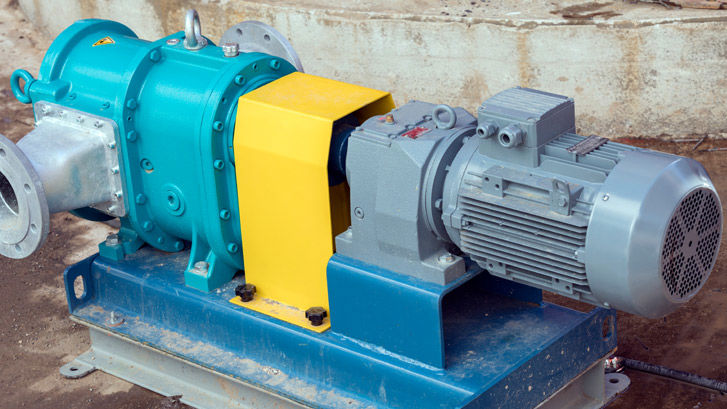
Lobe pumps are not good for metering duties becausefluid slips between the lobes and the case. Watson-Marlow peristaltic pumps have a true positive displacement action – fluid is pushed in front of a tube pinched closed.
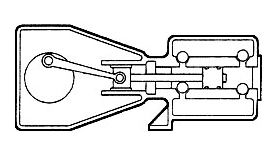
Piston pumpsrely on ball valves, which must be protected with strainers and yet more valves: back-pressure valves, for example. Foot valves are needed to maintain prime. Valves are prone to clogging and breakdown.
空气膜片泵require a compressed air supplyto drive them. If this does not already exist it can be very安装昂贵. Even the best-maintained air supply systems are inefficient with at least 30% air leakage.
Understand how peristaltic pumps work with our guide.
Understand how sinusoidal pumps work with our guide.
Air-operate double diaphragm pumps are a well-established positive displacement pump technology.
了解机械膜片泵的工作原理。
Understand how piston and plunger pumps work.
Understand how progressive cavity pumps work.
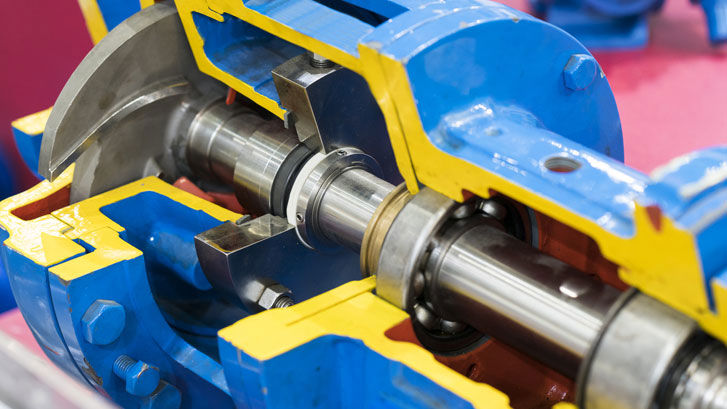
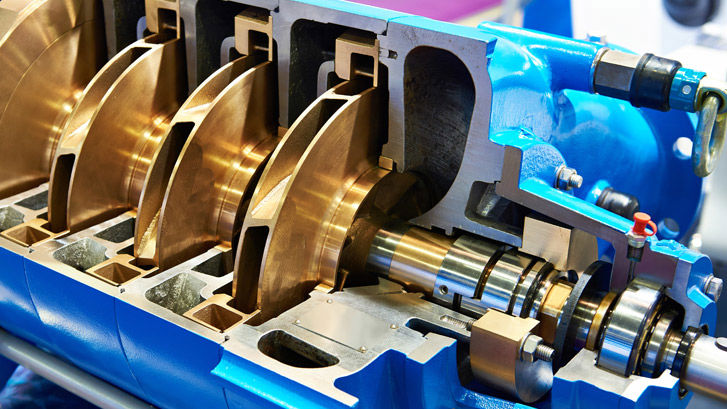
Centrifugal pumps are one of the most common machines in the industrial landscape.
Understand how rotary lobe pumps work.